Quick Facts
- Common Name: Oshidori Cherry
- Botanical Name: Prunus 'Oshidori'
- Plant Type: Deciduous ornamental small tree or large shrub
- Mature Height: 2.5–4m
- Mature Spread: 2–3m
- Flowering Period: April
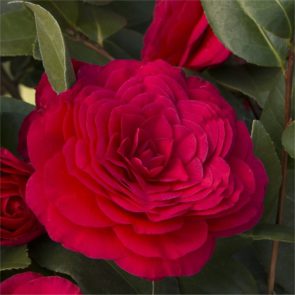
- Flower Colour: Large, semi-double, deep pink to rose-red blooms
- Foliage: Mid-green, ovate leaves; yellow and orange autumn colour
- Hardiness: RHS H6 (hardy throughout UK & Ireland)
- Soil Requirements: Moist, well-drained, moderately fertile
- Aspect: Full sun to light shade (best flowering in sun)
- Maintenance: Low
Description
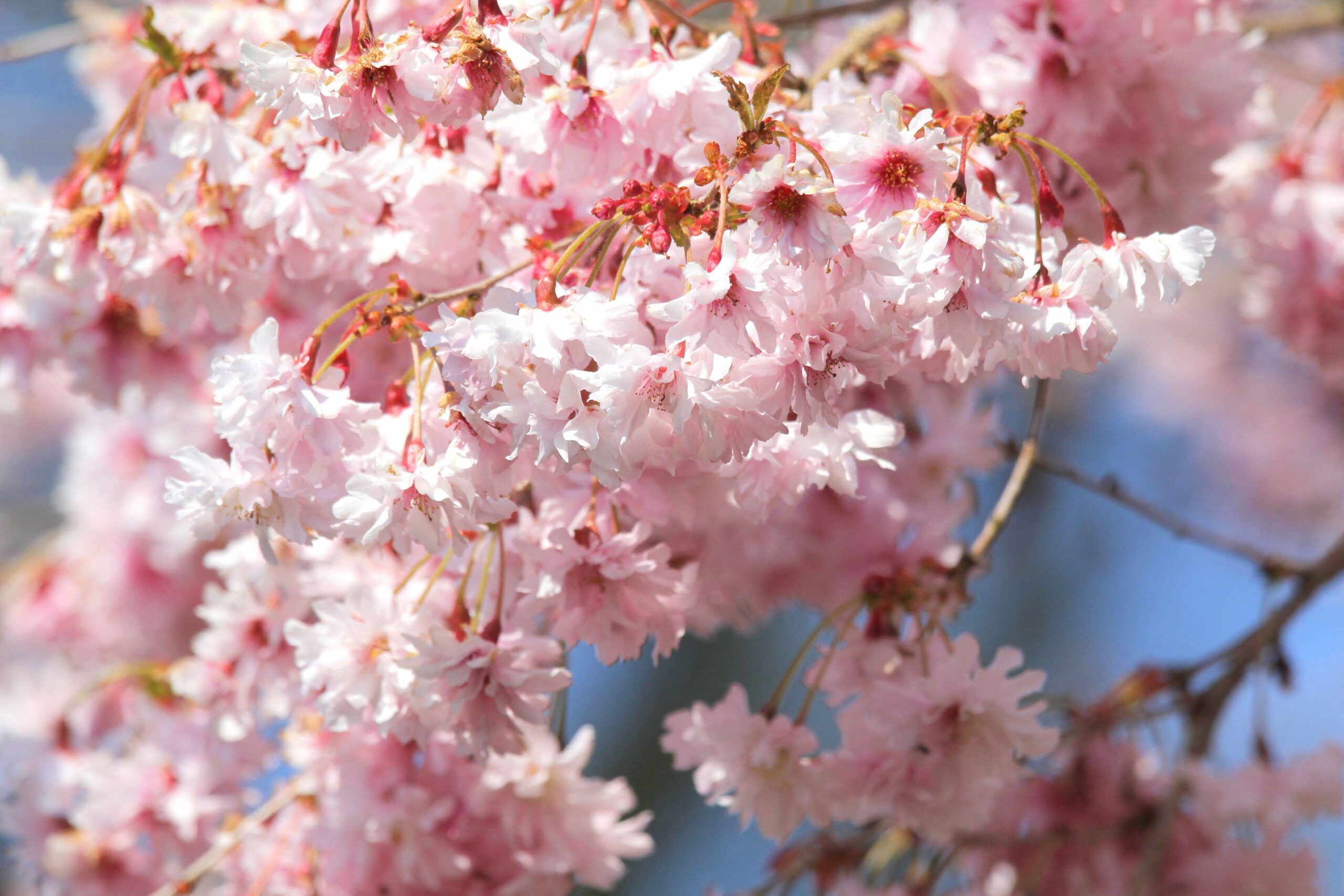
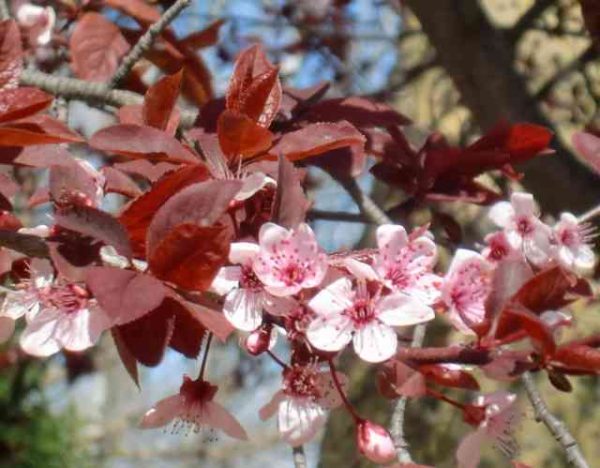
Prunus 'Oshidori' is a beautiful, compact flowering cherry, treasured for its profusion of large, semi-double, deep pink to rose-red blooms in mid-spring. The flowers are especially showy—richly coloured and held in generous clusters along the branches, creating a striking display that stands out even from a distance. The blossom appears just as the new leaves emerge, making the whole tree glow with colour.
Through summer, the tree forms a neat, rounded canopy of mid-green leaves, providing gentle shade and structure. In autumn, the foliage turns lovely shades of yellow and orange, adding a second season of interest before leaf fall.
'Oshidori' is naturally compact and well-branched, making it ideal for smaller gardens, lawns, or as a specimen in mixed borders. It is hardy, easy to grow, and needs little maintenance beyond occasional shaping after flowering. Its manageable size and dramatic spring show make it a favourite for both traditional and contemporary gardens.
Caragh Garden Notebook
Planting:
Space trees 2–3m apart for groupings or use singly as a specimen. Plant container-grown specimens in autumn (September–November) or spring (March–May). Choose a sunny, sheltered position for the best flowering and autumn colour. Dig a generous hole, loosen the soil well, and incorporate compost or well-rotted manure to support establishment. Plant at the same depth as in the pot, firm in gently, water thoroughly, and mulch.
Soil Preparation:
Prefers moist, well-drained, moderately fertile soil. Avoid waterlogged or very dry ground. Improve heavy clay with compost and grit to aid drainage. Mulch annually to conserve moisture and feed the soil.
Seasonal Care:
Low maintenance. Prune only to remove dead, damaged, or crossing branches, ideally after flowering. Water during dry spells in the first year. Feed in early spring with a balanced fertiliser if growth is slow.
Pests & Problems:
Generally trouble-free. Watch for aphids and caterpillars on young growth. Good hygiene and regular checks help keep plants healthy.
Design Notes:
Perfect for small gardens, lawns, mixed borders, or as a feature tree. The vibrant spring blossom and autumn foliage make it a standout through multiple seasons. Underplant with spring bulbs or low perennials for added impact.